NUTRITION
Alimentation et microbiote: les bonnes associations
Key takeaways
Iron is essential for the body. It is found in meat (heme form, well absorbed) and in vegetables and lentils (non-heme form, less absorbed but enhanced by vitamin C).
Iron is a vital trace element. It plays a central role in the production of red blood cells and the transport of oxygen throughout the body. A balanced diet, including vegetables, lentils, and other iron-rich foods, contributes to better health. It also helps fight fatigue and optimize vital functions. Yet, iron deficiencies are common, especially among women and children. Discover in this article everything you need to know about iron-rich foods and how to maintain optimal iron levels while preserving your well-being.
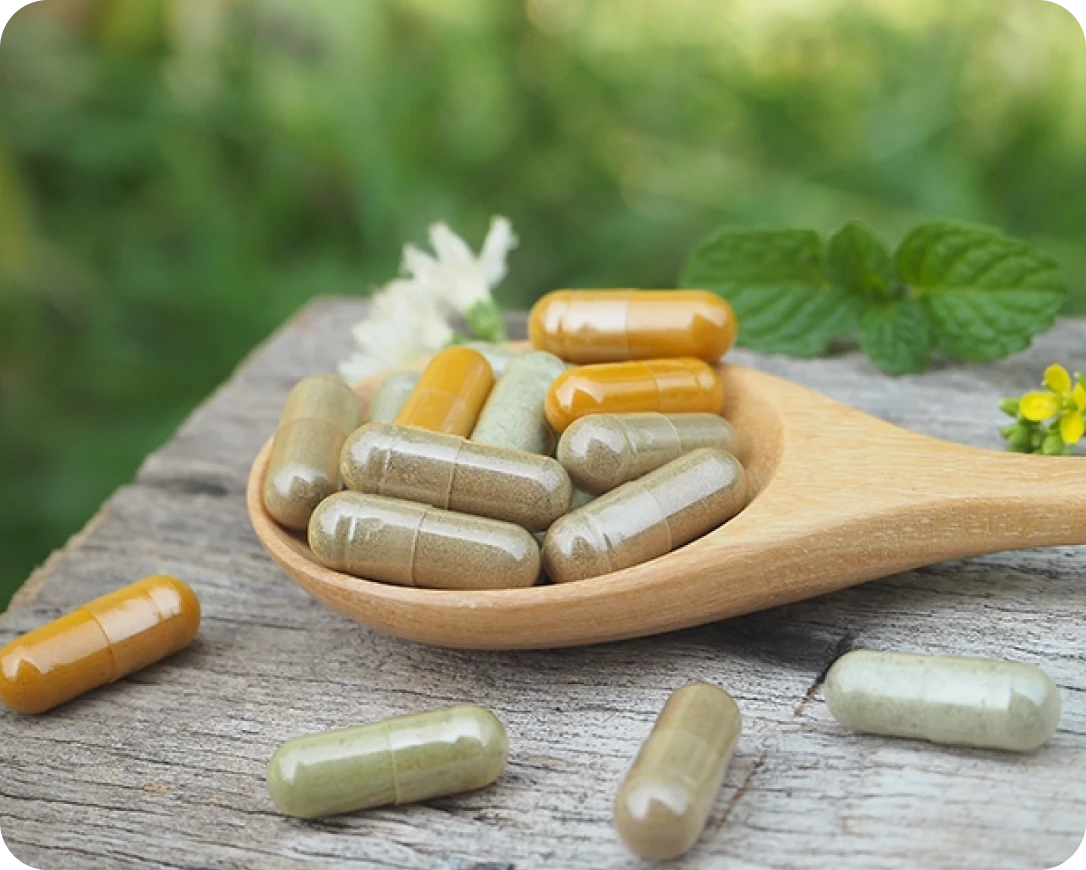
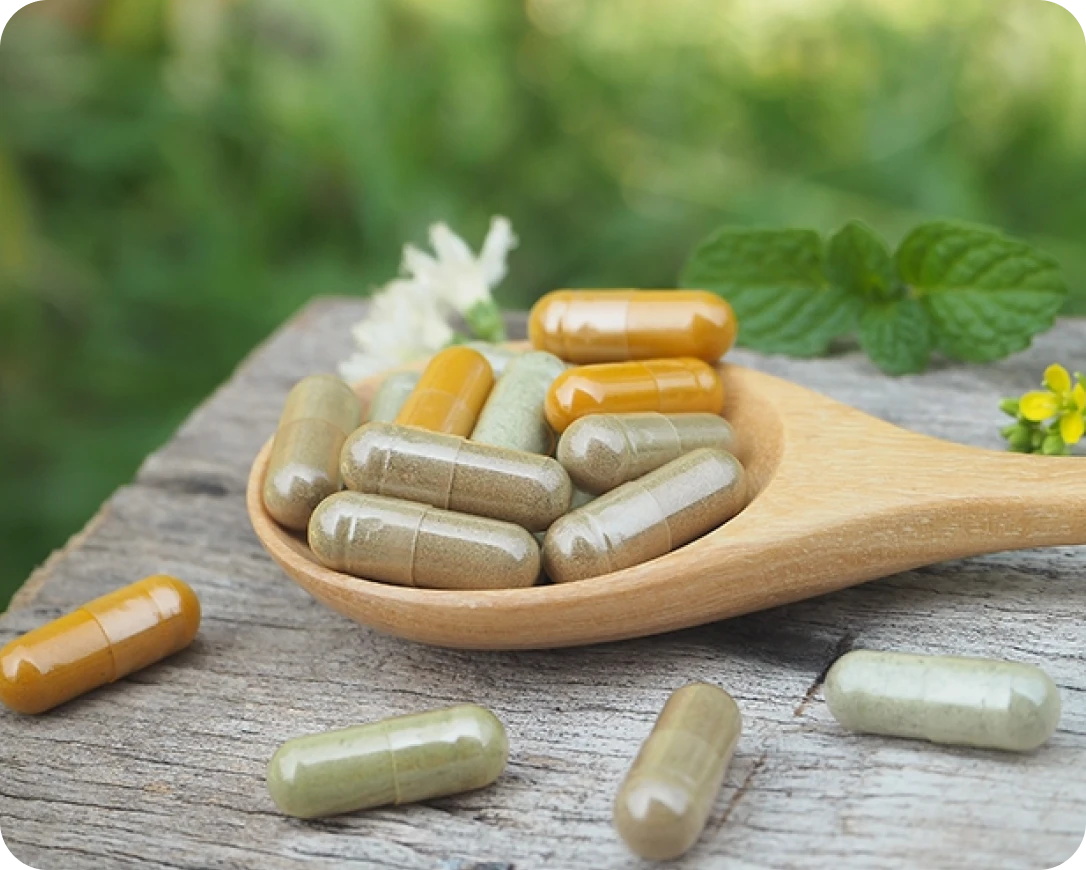
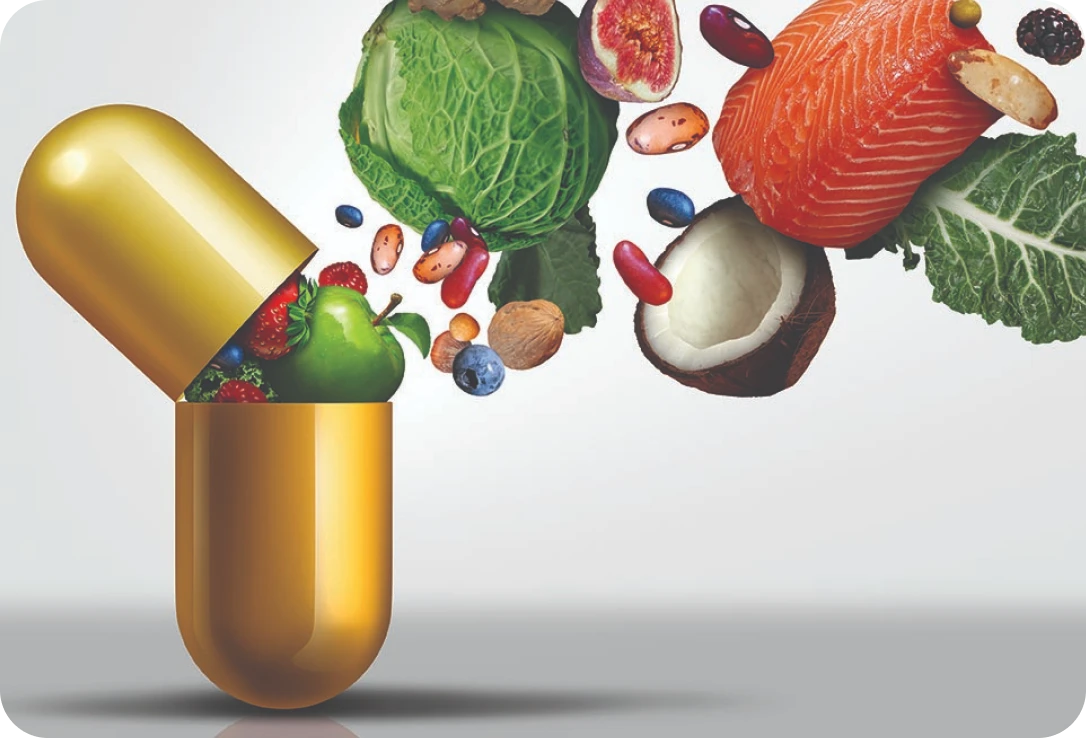
The benefits of iron are numerous: it plays a vital role in transporting oxygen in the blood and contributes to the proper functioning of the body. It is primarily involved in the production of red blood cells, essential for carrying air from your lungs to your organs and muscles. Without sufficient iron, your body may lack energy, which can lead to persistent fatigue and reduced physical performance.
Furthermore, iron is essential for the proper functioning of many enzymes, which participate in processes as varied as nutrient metabolism and protection against infections (2).

Auteur
Admin ARKALIA
À la tête de la Direction Scientifique de Nutripure, Myriam Pousse, Docteur en Pharmacie, apporte une expertise de plus de deux décennies en micronutrition. Son rôle est d'assurer une analyse critique de la science pour concevoir des produits sûrs et performants. Fidèle à la philosophie Nutripure, elle s'engage à transformer les avancées scientifiques en solutions concrètes pour optimiser les piliers fondamentaux de la santé au quotidien.